Come Prepared or Learn on the Job? The Real Head Start in Heavy Civil Construction
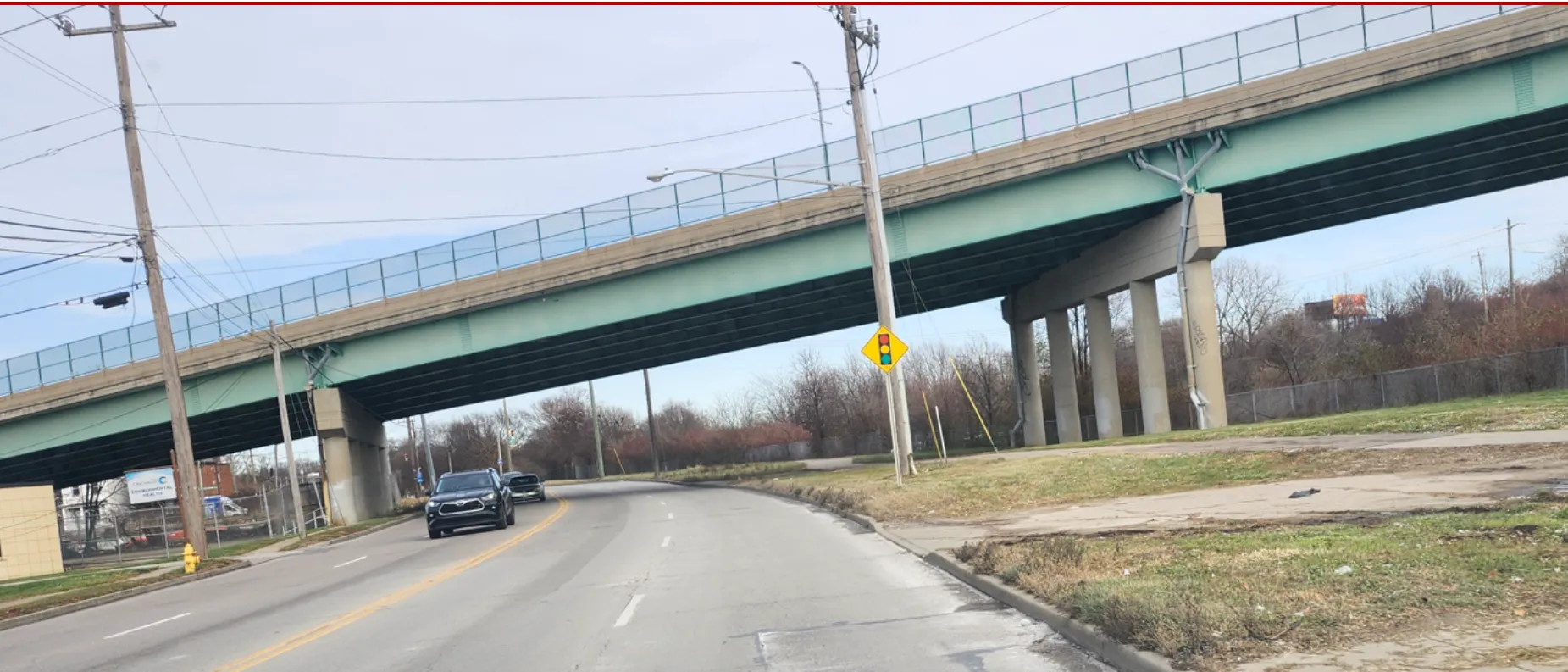
From cost estimating to project scheduling, and other project control discussions.
Which gives people a bigger head start: learning on the job or coming prepared for the job?
On-the-job learning always matters, but preparation determines how quickly someone becomes effective.
What the Interactive Webbook Offers
Our interactive webbook provides gamified, hands-on learning focused on heavy civil construction materials, methods, and real-world scenarios:
• Webbook units on earthwork, stormwater systems, pavements, foundations, retaining walls, base and subbase, structural concrete, structural steel, and more
• Interactive activities, tools, simulators, and calculators that reinforce learning by doing
• Content designed for students, interns, educators, and early-career professionals to close knowledge gaps faster
How the Webbook Supports Both Approaches
Come Prepared for the Job
The webbook builds core technical fundamentals before day one. Learners gain early exposure to industry practices, concepts, calculations, and scenarios, reducing onboarding time, increasing confidence, and allowing employers to focus on company-specific training rather than basics.
Learn on the Job
Real projects teach culture, workflows, and constraints that can’t be replicated in a classroom. The webbook complements this by filling technical gaps, helping learners ask better questions, recognize issues sooner, and adapt faster on site.
So, Which Gives the Real Head Start?
Coming prepared with the interactive webbook, then refining skills on the job.
Rule of Thumb:
• If skills are standardized and mistakes are costly → come prepared
• If skills are contextual and judgment-based → learn on the job
• Complex roles require both, intentionally integrated